List

Audience
Category
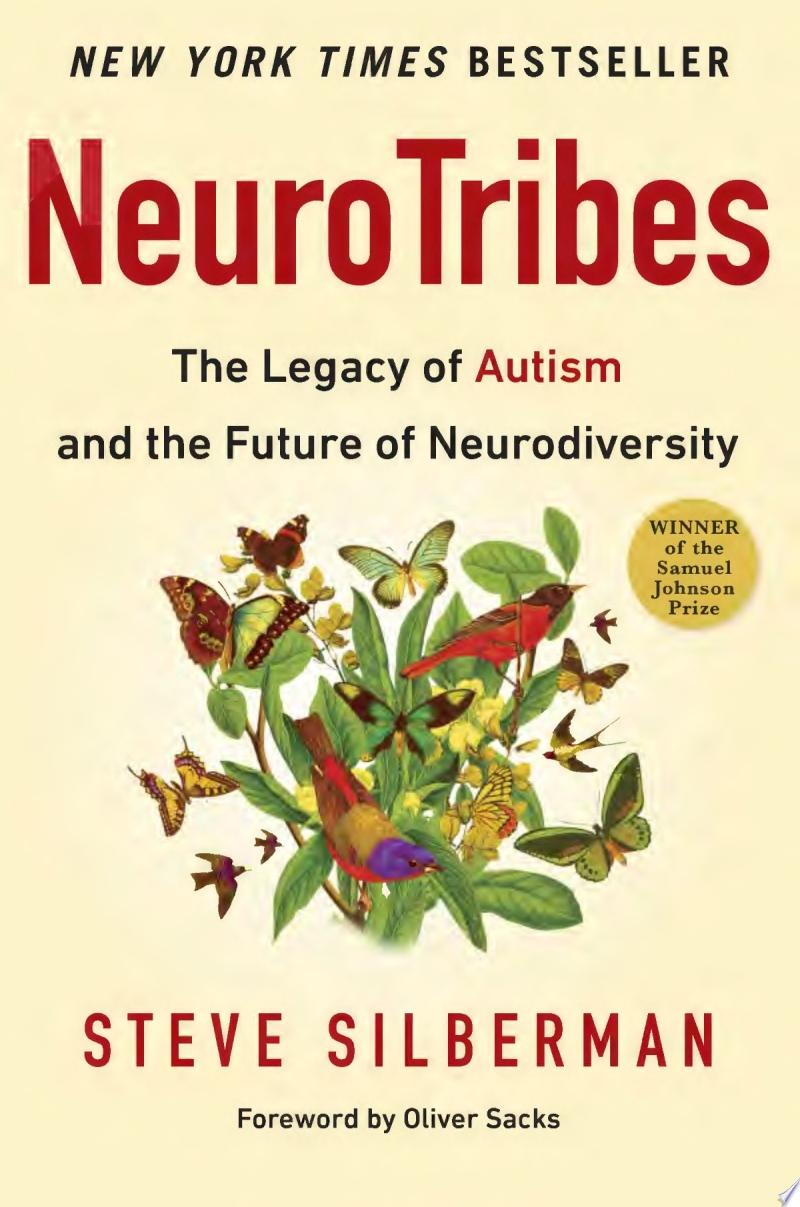
"NeuroTribes" by Steve Silberman

NeuroTribes

Steve Silberman

Description

This New York Times–bestselling book upends conventional thinking about autism and suggests a broader model for acceptance, understanding, and full participation in society for people who think differently.

“Beautifully told, humanizing, important.”—The New York Times Book Review
“Breathtaking.”—The Boston Globe
“Epic and often shocking.”—Chicago Tribune
 
WINNER OF THE SAMUEL JOHNSON PRIZE FOR NONFICTION AND THE CALIFORNIA BOOK AWARD
 
What is autism? A lifelong disability, or a naturally occurring form of cognitive difference akin to certain forms of genius? In truth, it is all of these things and more—and the future of our society depends on our understanding it. Wired reporter Steve Silberman unearths the secret history of autism, long suppressed by the same clinicians who became famous for discovering it, and finds surprising answers to the crucial question of why the number of diagnoses has soared in recent years.  Going back to the earliest days of autism research, Silberman offers a gripping narrative of Leo Kanner and Hans Asperger, the research pioneers who defined the scope of autism in profoundly different ways; he then goes on to explore the game-changing concept of neurodiversity. NeuroTribes considers the idea that neurological differences such as autism, dyslexia, and ADHD are not errors of nature or products of the toxic modern world, but the result of natural variations in the human genome. This groundbreaking book will reshape our understanding of the history, meaning, function, and implications of neurodiversity in our world.
View Details
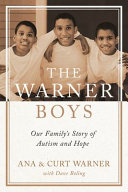
"The Warner Boys" by Ana Warner, Curt Warner, and Dave Boling

The Warner Boys

Ana Warner

Description

An emotional, revealing memoir of one family's life in seclusion--and the love, strength, and faith it took to save it.

Seahawks star running back Curt Warner and his wife, Ana, were prominent figures in Seattle in the early 1990s. When they dropped from the public eye after Curt's retirement, everyone assumed it was for a simpler life. But the reality behind their seclusion was a secret they hid from even their closest friends: their twins, Austin and Christian, had been diagnosed with severe autism. What followed was a painful struggle to hold their family and their marriage together in a home filled with chaos, emotional exhaustion, and constant fear for the safety of their unpredictable but beloved boys.

Now, after years of silence, the Warners share their inspiring journey from stardom and success to heartbreaking self-imposed isolation. Above all, it's a story of the life-changing truth that love for family and each other--no matter how challenged--is the path to healing and peace.

The Warner Boys is the true story of a family who fought for their children and how they grew stronger against all odds.

View Details
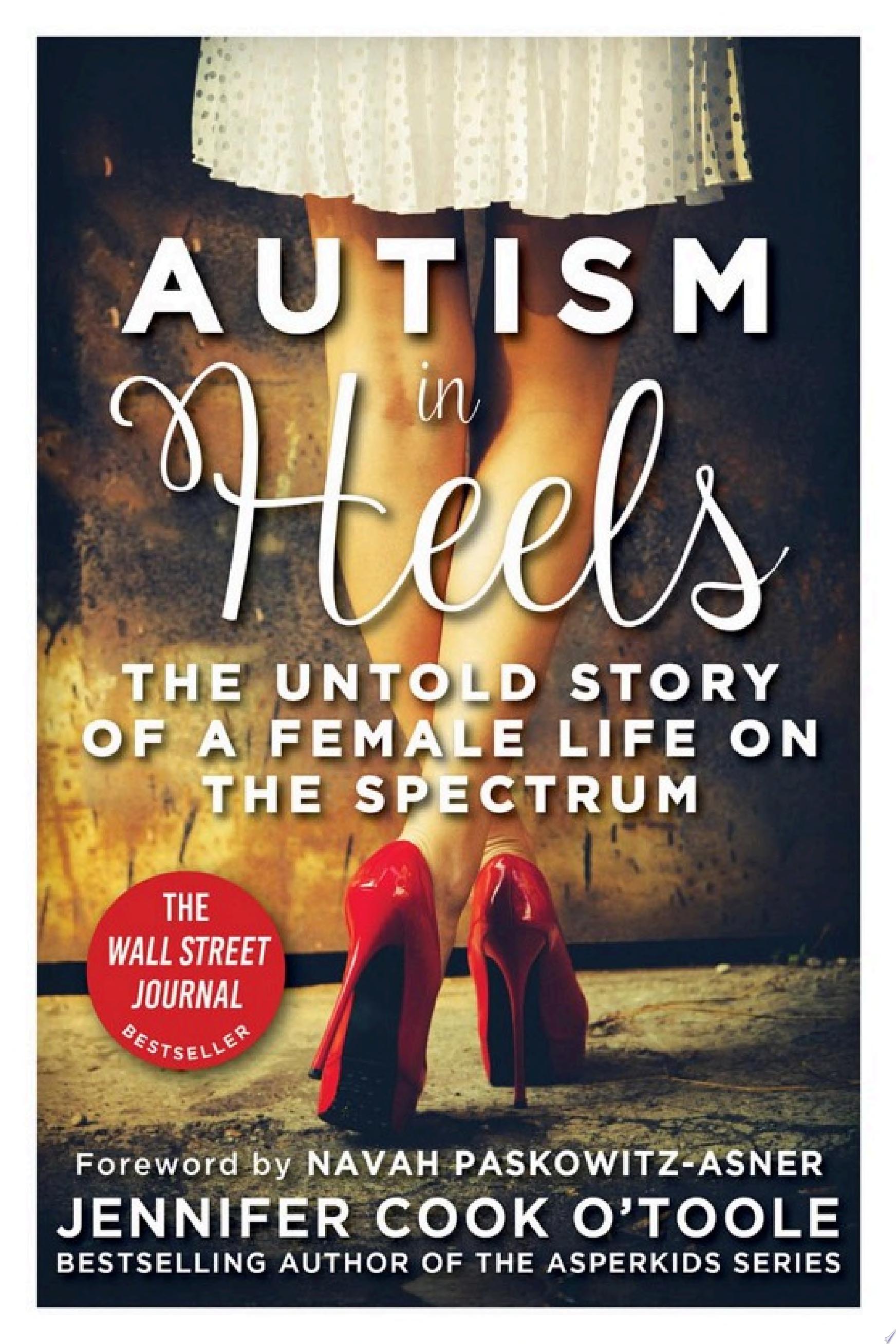
"Autism in Heels" by Jennifer Cook O'Toole

Autism in Heels

Jennifer Cook O'Toole

Description

The face of autism is changing. And more often than we realize, that face is wearing lipstick.

Autism in Heels, an intimate memoir, reveals the woman inside one of autism’s most prominent figures, Jennifer O'Toole. At the age of thirty-five, Jennifer was diagnosed with Asperger's syndrome, and for the first time in her life, things made sense. Now, Jennifer exposes the constant struggle between carefully crafted persona and authentic existence, editing the autism script with wit, candor, passion, and power. Her journey is one of reverse-self-discovery not only as an Aspie but--more importantly--as a thoroughly modern woman.

Beyond being a memoir, Autism in Heels is a love letter to all women. It’s a conversation starter. A game changer. And a firsthand account of what it is to walk in Jennifer's shoes (especially those iconic red stilettos).

Whether it's bad perms or body image, sexuality or self-esteem, Jennifer's is as much a human journey as one on the spectrum. Because autism "looks a bit different in pink," most girls and women who fit the profile are not identified, facing years of avoidable anxiety, eating disorders, volatile relationships, self-harm, and stunted independence. Jennifer has been there, too. Autism in Heels takes that message to the mainstream.

From her own struggles and self-discovery, she has built an empire of empowerment, inspiring women the world over to realize they aren't mistakes. They are misunderstood miracles.

View Details
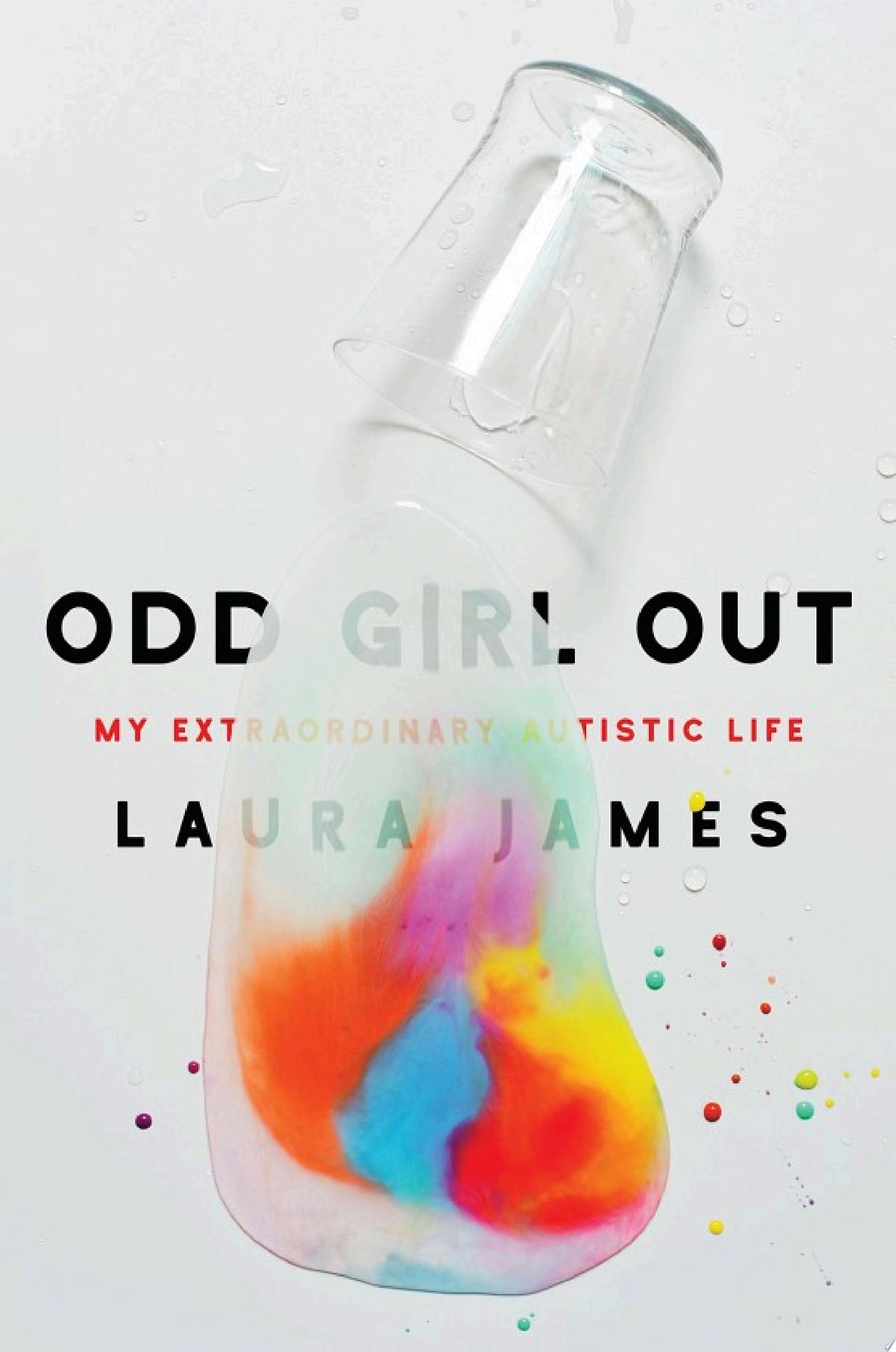
"Odd Girl Out" by Laura James

Odd Girl Out

Laura James

Description

A sensory portrait of an autistic mind

From childhood, Laura James knew she was different. She struggled to cope in a world that often made no sense to her, as though her brain had its own operating system. It wasn't until she reached her forties that she found out why: Suddenly and surprisingly, she was diagnosed with autism. 

With a touching and searing honesty, Laura challenges everything we think we know about what it means to be autistic. Married with four children and a successful journalist, Laura examines the ways in which autism has shaped her career, her approach to motherhood, and her closest relationships. Laura's upbeat, witty writing offers new insight into the day-to-day struggles of living with autism, as her extreme attention to sensory detail -- a common aspect of her autism -- is fascinating to observe through her eyes.

As Laura grapples with defining her own identity, she also looks at the unique benefits neurodiversity can bring. Lyrical and lush, Odd Girl Out shows how being different doesn't mean being less, and proves that it is never too late for any of us to find our rightful place in the world.

View Details
"The Pattern Seekers" by Simon Baron-Cohen

The Pattern Seekers

Simon Baron-Cohen

Description

"In The Pattern Seekers, Simon Baron-Cohen reveals the surprising answer to two apparently distinct questions: Why are humans so inventive? And why does autism exist? The first question hangs over almost every human endeavor: Business people want to know how to innovate. Cognitive psychologists want to understand the nature of creativity. Evolutionary scientists and comparative psychologists want to understand why we are capable of such cultural complexity and diversity, when other animals, at best, have learned how to use a rock as a simple tool. At the same time, the study of autism has become a preeminent concern among overlapping groups, from educators to scientists to business people and parents -- and of course to people with autism themselves. In The Pattern Seekers, Simon Baron-Cohen argues these two questions are actually the same: understanding autism -- specifically the fixation on patterns that is considered characteristic of the condition -- is the key to understanding both the ancient origins and the modern flowering of human creativity. With a perspective that spans the first stirrings of our ancestors on the African Savannah to the corridors of high-tech companies, Baron-Cohen shows how what he calls systemizing underlies everything from the invention of the first musical instrument to the innovative output of Thomas Edison and Nikola Tesla. Bolstering his argument with a range of fascinating case studies-including the way Kobe Bryant plays basketball and the piano, the prevalence of autism in various Dutch cities, and how chimpanzees learned to use grass to catch termites -- he describes how a passion for pattern-finding is at the heart of modern science and technology. But such powers come at a cost: The better one is at it, the less empathy one has for others, making social functioning difficult. And although it might be fashionable in some circles to talk about being "on the spectrum," many seek a cure for autism, and the world still.

View Details
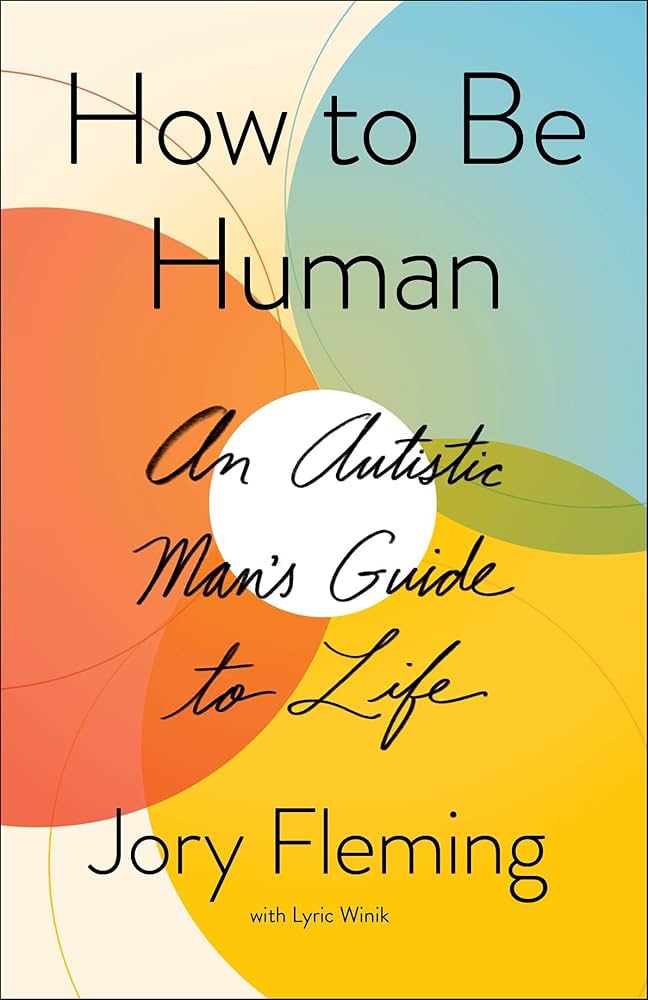
how to be human

How to Be Human

Jory Fleming

Description

An unforgettable, unconventional narrative that examines the many ways to be fully human, told by the first young adult with autism to attend Oxford University as a Rhodes Scholar.

As a child, Jory Fleming was wracked by uncontrollable tantrums, had no tolerance for people, and couldn’t manage the outside world. Slightly more than a decade later, he was bound for England, selected to attend one of the world’s premier universities.

How to Be Human explores life amid a world constructed for neurotypical brains when yours is not. But the miracle of this book is that instead of dwelling on Jory’s limitations, those who inhabit the neurotypical world will begin to better understand their own: they will contemplate what language cannot say, how linear thinking leads to dead ends, and how nefarious emotions can be, particularly when, in Jory’s words, they are “weaponized.” Through a series of deep, personal conversations with writer Lyric Winik, Jory makes a compelling case for logical empathy based on rational thought, asks why we tolerate friends who see us as a means to an end, and explains why he believes personality is a choice. Most movingly, he discusses how, after many hardships, he maintains a deep, abiding faith: “With people, I don’t understand what goes in and what comes out, and how to relate,” he says. “But I can always reconnect with my relationship with my Creator.”

Join Jory and Lyric as they examine what it means to be human and ultimately how each of us might become a better one. Jory asks us to consider: Who has value? What is a disability? And how do we correct the imbalances we see in the world? How to Be Human shows us the ways a beautifully different mind can express the very best of our shared humanity.

View Details
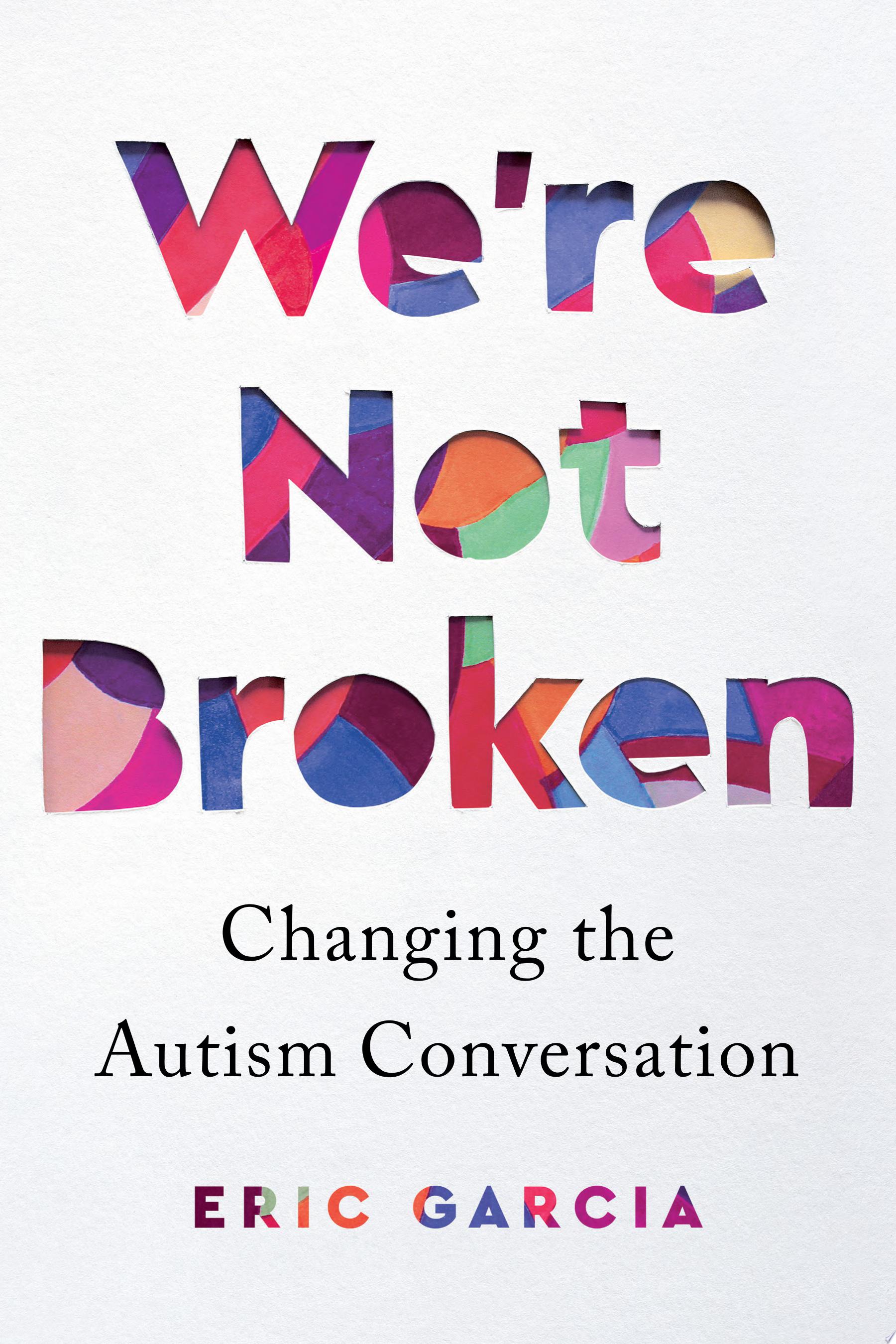
"We're Not Broken" by Eric Garcia

We're Not Broken

Eric Garcia

Description

"This book is a message from autistic people to their parents, friends, teachers, coworkers and doctors showing what life is like on the spectrum. It's also my love letter to autistic people. For too long, we have been forced to navigate a world where all the road signs are written in another language."


With a reporter's eye and an insider's perspective, Eric Garcia shows what it's like to be autistic across America.


Garcia began writing about autism because he was frustrated by the media's coverage of it; the myths that the disorder is caused by vaccines, the narrow portrayals of autistic people as white men working in Silicon Valley. His own life as an autistic person didn't look anything like that. He is Latino, a graduate of the University of North Carolina, and works as a journalist covering politics in Washington D.C. Garcia realized he needed to put into writing what so many autistic people have been saying for years; autism is a part of their identity, they don't need to be fixed. 


In We're Not Broken, Garcia uses his own life as a springboard to discuss the social and policy gaps that exist in supporting those on the spectrum. From education to healthcare, he explores how autistic people wrestle with systems that were not built with them in mind. At the same time, he shares the experiences of all types of autistic people, from those with higher support needs, to autistic people of color, to those in the LGBTQ community. In doing so, Garcia gives his community a platform to articulate their own needs, rather than having others speak for them, which has been the standard for far too long.

View Details
"Visual Thinking" by Temple Grandin, Ph.D.

Visual Thinking

Temple Grandin, Ph.D.

Description

INSTANT NEW YORK TIMES BESTSELLER

WINNER OF THE NAUTILUS GOLD AWARD

“A powerful and provocative testament to the diverse coalition of minds we’ll need to face the mounting challenges of the twenty-first century.” —Steve Silberman

“An absolute eye-opener.” —Frans de Waal

A landmark book that reveals, celebrates, and advocates for the special minds and contributions of visual thinkers

A quarter of a century after her memoir, Thinking in Pictures, forever changed how the world understood autism, Temple Grandin— “an anthropologist on Mars,” as Oliver Sacks dubbed her—transforms our awareness of the different ways our brains are wired. Do you have a keen sense of direction, a love of puzzles, the ability to assemble furniture without crying? You are likely a visual thinker.

With her genius for demystifying science, Grandin draws on cutting-edge research to take us inside visual thinking. Visual thinkers constitute a far greater proportion of the population than previously believed, she reveals, and a more varied one, from the photo-realistic “object visualizers” like Grandin herself, with their intuitive knack for design and problem solving, to the abstract, mathematically inclined “visual spatial” thinkers who excel in pattern recognition and systemic thinking. She also makes us understand how a world increasingly geared to the verbal tends to sideline visual thinkers, screening them out at school and passing over them in the workplace. Rather than continuing to waste their singular gifts, driving a collective loss in productivity and innovation, Grandin proposes new approaches to educating, parenting, employing, and collaborating with visual thinkers. In a highly competitive world, this important book helps us see, we need every mind on board.

View Details
"Unmasking Autism" by Devon Price

Unmasking Autism

Devon Price

Description

A deep dive into the spectrum of Autistic experience and the phenomenon of masked Autism, giving individuals the tools to safely uncover their true selves while broadening society’s narrow understanding of neurodiversity

“A remarkable work that will stand at the forefront of the neurodiversity movement.”—Barry M. Prizant, PhD, CCC-SLP, author of Uniquely Human: A Different Way of Seeing Autism

For every visibly Autistic person you meet, there are countless “masked” Autistic people who pass as neurotypical. Masking is a common coping mechanism in which Autistic people hide their identifiably Autistic traits in order to fit in with societal norms, adopting a superficial personality at the expense of their mental health. This can include suppressing harmless stims, papering over communication challenges by presenting as unassuming and mild-mannered, and forcing themselves into situations that cause severe anxiety, all so they aren’t seen as needy or “odd.”
 
In Unmasking Autism, Dr. Devon Price shares his personal experience with masking and blends history, social science research, prescriptions, and personal profiles to tell a story of neurodivergence that has thus far been dominated by those on the outside looking in. For Dr. Price and many others, Autism is a deep source of uniqueness and beauty. Unfortunately, living in a neurotypical world means it can also be a source of incredible alienation and pain. Most masked Autistic individuals struggle for decades before discovering who they truly are. They are also more likely to be marginalized in terms of race, gender, sexual orientation, class, and other factors, which contributes to their suffering and invisibility. Dr. Price lays the groundwork for unmasking and offers exercises that encourage self-expression, including:

• Celebrating special interests
• Cultivating Autistic relationships
• Reframing Autistic stereotypes
• And rediscovering your values

It’s time to honor the needs, diversity, and unique strengths of Autistic people so that they no longer have to mask—and it’s time for greater public acceptance and accommodation of difference. In embracing neurodiversity, we can all reap the rewards of nonconformity and learn to live authentically, Autistic and neurotypical people alike.

View Details
uniquely human

Uniquely Human

Barry M. Prizant

Description

A groundbreaking book on autism, by one of the world’s leading experts, who portrays autism as a unique way of being human—this is “required reading....Breathtakingly simple and profoundly positive” (Chicago Tribune).

Autism therapy typically focuses on ridding individuals of “autistic” symptoms such as difficulties interacting socially, problems in communicating, sensory challenges, and repetitive behavior patterns. Now Dr. Barry M. Prizant offers a new and compelling paradigm: the most successful approaches to autism don’t aim at fixing a person by eliminating symptoms, but rather seeking to understand the individual’s experience and what underlies the behavior.

“A must-read for anyone touched by autism... Dr. Prizant’s Uniquely Human is a crucial step in promoting better understanding and a more humane approach” (Associated Press). Instead of classifying “autistic” behaviors as signs of pathology, Dr. Prizant sees them as part of a range of strategies to cope with a world that feels chaotic and overwhelming. Rather than curb these behaviors, it’s better to enhance abilities, build on strengths, and offer supports that will lead to more desirable behavior and a better quality of life.

“A remarkable approach to autism....A truly impactful, necessary book” (Kirkus Reviews, starred review), Uniquely Human offers inspiration and practical advice drawn from Dr. Prizant’s four-decade career. It conveys a deep respect for people with autism and their own unique qualities. Filled with humanity and wisdom, Uniquely Human “should reassure parents and caregivers of kids with autism and any other disability that their kids are not broken, but, indeed, special” (Booklist, starred review).

View Details
"Autism for Adults" by Daniel Jones

Autism for Adults

Daniel Jones

Description

The Ultimate Handbook for Success on the Spectrum – Written by and for Autistic People!

I feel like everyone else got a handbook with all the answers, and I never got my copy. This is a common thought among autistic people, because society is built with neurotypical people in mind—but that handbook has finally arrived. Even better, it was written by an autism activist who is on the spectrum himself. 

Autistic influencer Daniel M. Jones is an expert on living well on the spectrum. No matter what you’re going through as someone with autism, Dan gets it—he’s been there. He’s here to explain everything he learned, and then some, in this instruction manual and memoir about life as an autistic person. Dan’s book is packed with actionable advice that readers can immediately start putting into practice. You’ll learn how to navigate common challenges, such as dating on the spectrum, holding down a job, or performing well in school. Best of all, you’ll learn to improve your life while also empowering yourself. 

Dan’s honesty, self-awareness, and sheer knowledge of autism make for a down-to-earth and relatable read that anyone will enjoy. No matter where you are on the spectrum, you’ll love this hilarious and comprehensive guide to living an excellent life as an autistic adult.

View Details
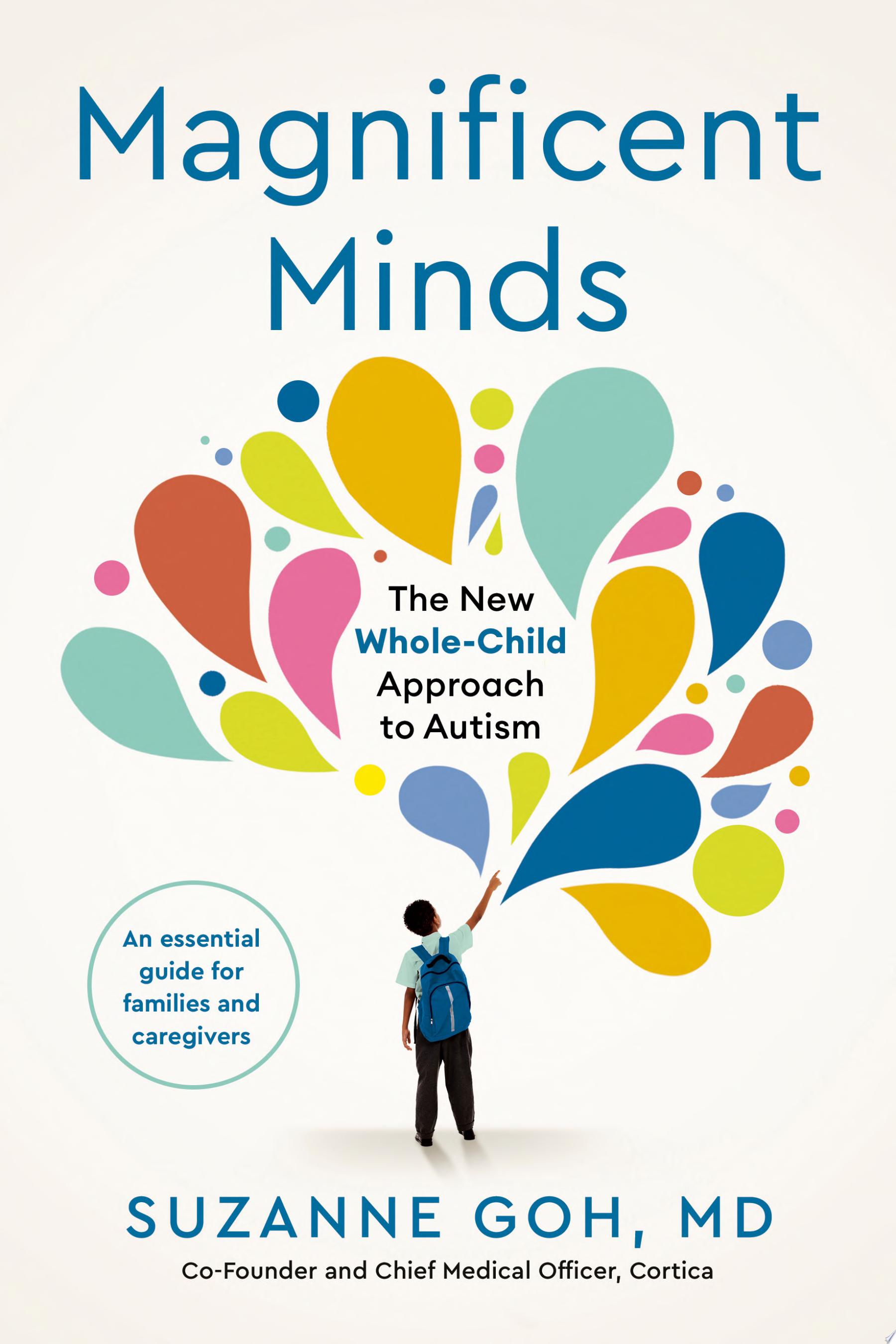
"Magnificent Minds" by Suzanne Goh, MD

Magnificent Minds

Suzanne Goh, MD

Description

An essential primer based on a renowned new model of care that is comprehensive and research based, while honoring the uniqueness of every child

An estimated one in thirty-six children in the United States is diagnosed with autism. New research has shed light on the many factors that determine a child’s trajectory—but many parents are still navigating this complex terrain without a road map. Pediatric neurologist Dr. Suzanne Goh has spent decades working with autistic children, and in this practical and research-based guide she shares her renowned and revolutionary model of care: an innovative, whole-child approach that combines optimal medical treatment with the most effective strategies for advancing cognition, communication, and behavior.

Demystifying a wide range of diagnostics and therapies and offering new insights into the neurological, biochemical, behavioral, and social factors that play a role in successful outcomes, the book is an essential resource for understanding all of autism—a strengths-based approach that helps parents design a comprehensive treatment plan. It is also a celebration of what each autistic person brings to the world—and how parents can best nurture the remarkable uniqueness of their child while setting them up for the future they envision.

View Details
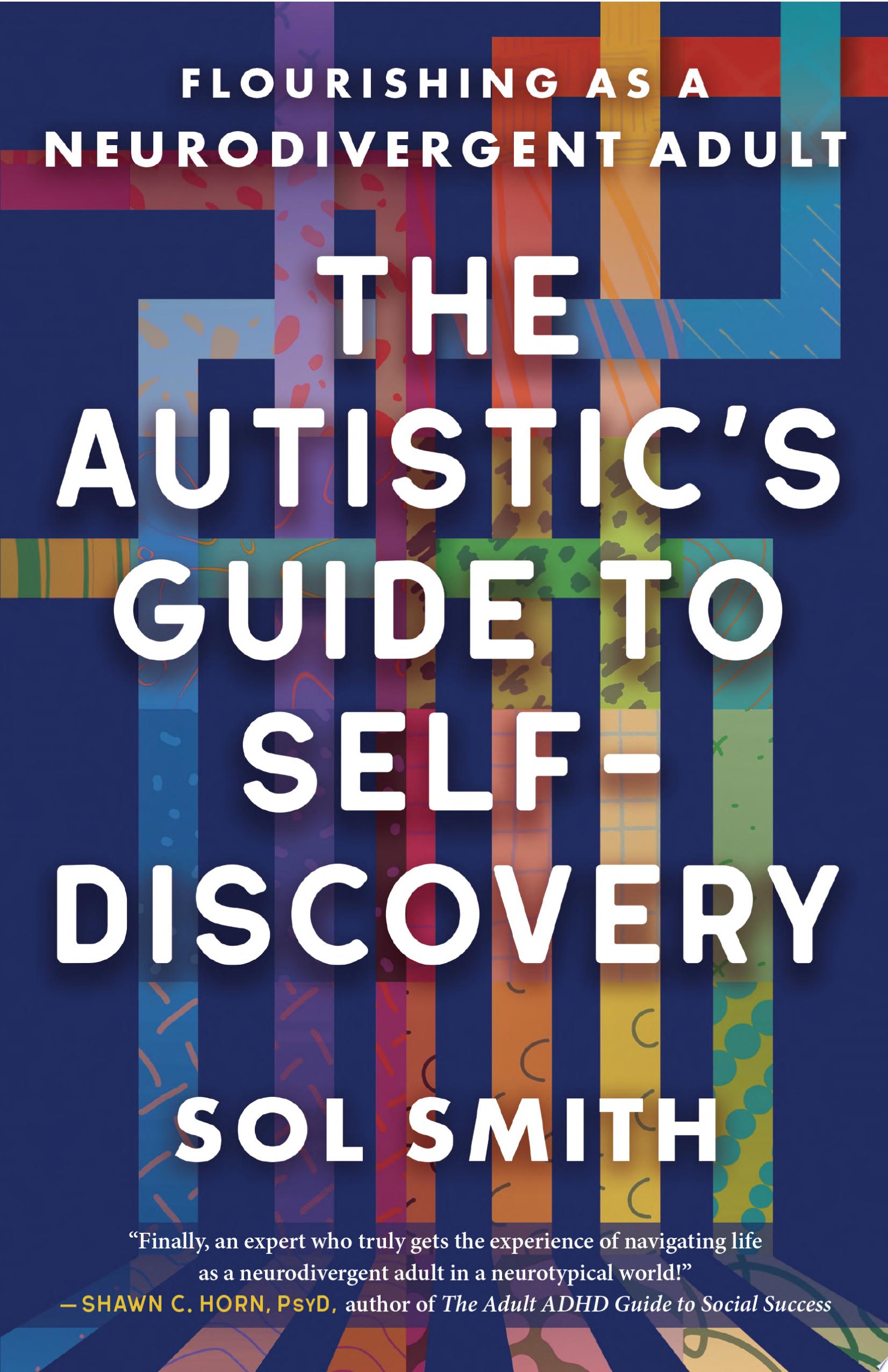
"The Autistic's Guide to Self-Discovery" by Sol Smith

The Autistic's Guide to Self-Discovery

Sol Smith

Description

Live Authentically and Function Effectively in All Areas of Your Life

In this first-of-its-kind book, Sol Smith combines current research, his personal experience as a late-diagnosed autistic adult, and lessons learned as an educator to show how you can transcend common mischaracterizations, overcome shame, and gain the skills to flourish. Sol knows that neurodivergent people often feel that nothing they have been taught relates to how they experience the world. To resolve this conflict, they try to change or mask who they are, which can cause isolation, depression, and anxiety. He advises the opposite: Understand yourself, accept yourself, and reduce conflict. Designed to help you peel away the shell of inadequacy and self-blame that often comes with neurodivergence, The Autistic’s Guide to Self-Discovery offers the necessary tools and knowledge to function effectively at home, at work, and in the wider world.

View Details
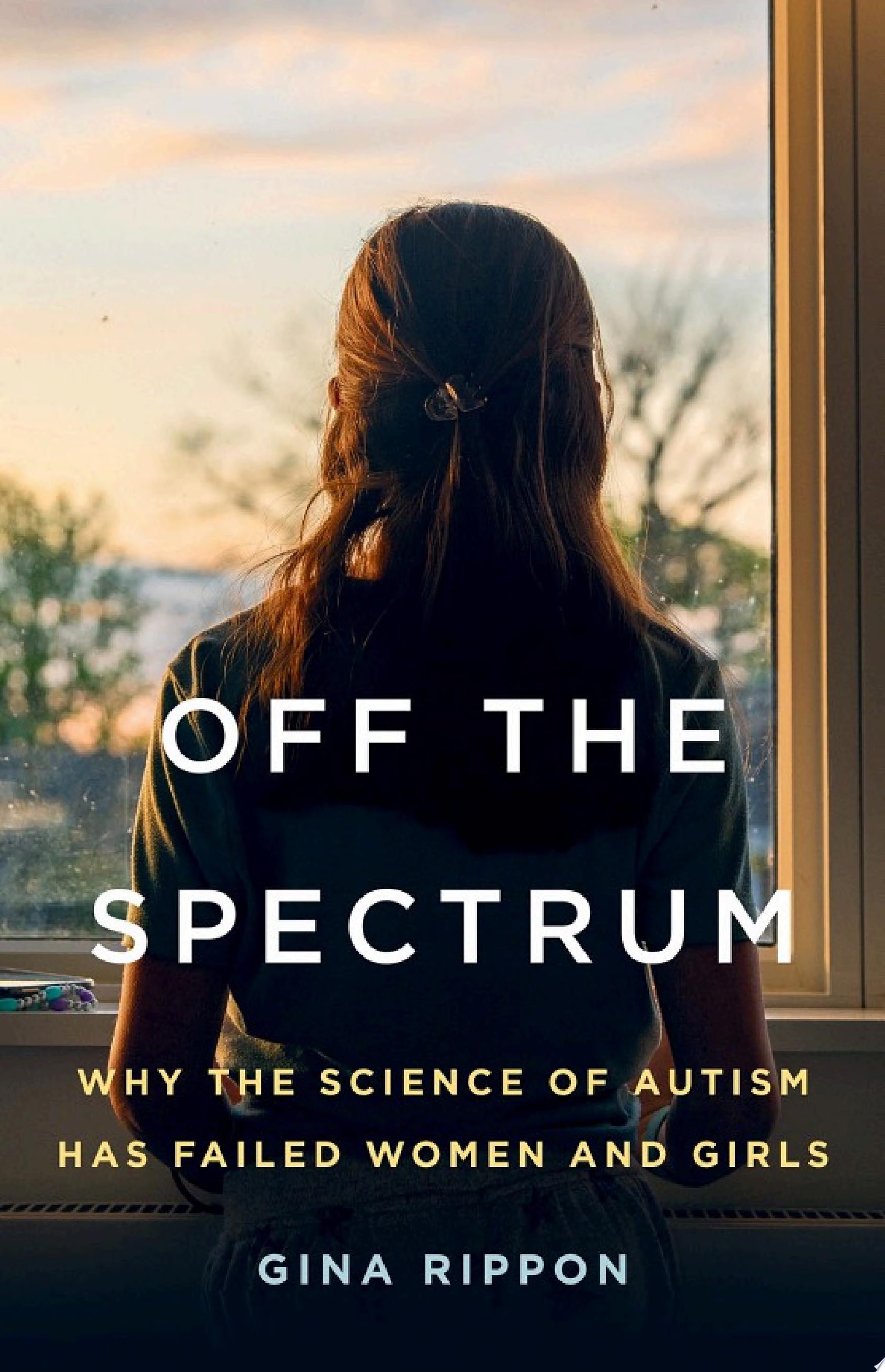
"Off the Spectrum" by Gina Rippon

Off the Spectrum

Gina Rippon

Description

A cognitive neuroscientist reveals how autistic women have been overlooked by biased research—and makes a passionate case for their inclusion

New Scientist Best Book of the Year

Who comes to mind when you think about an autistic person? It might be yourself, a relative or friend, a public figure, a fictional character, or a stereotyped image. Regardless, for most of us, it’s likely to be someone male. Autistic women are systematically underdiagnosed, under-researched, and underserved by medical and social systems—to devastating effects.

In Off the Spectrum, cognitive neuroscientist Gina Rippon sheds light on how old ideas about autism leave women behind and how the scientific community must catch up. Generations of researchers, convinced autism was a male problem, simply didn’t bother looking for it in women, creating a snowball effect of biased research. To correct this “male spotlight” problem, Rippon outlines how autism presents differently in girls and women—like their tendency to camouflage their autistic traits, or how their intense interests may take a form considered to be more socially acceptable. When autism research studies don’t recruit female participants, Rippon argues, it’s not only autistic women who are failed; it’s the entire scientific community. Correcting a major scientific bias, Off the Spectrum provides a much-needed exploration of autism in women to parents, clinicians, and autistic women themselves.

View Details
"Life on the Bridge" by Kaelynn Partlow

Life on the Bridge

Kaelynn Partlow

Description

From Autistic Advocate, Love on the Spectrum cast member, and therapist Kaelynn Partlow, a warm, personal, and practical guide to understanding autism—from behaviors to communication and beyond.

You've heard from autistic authors.

You've heard from therapists.

Now hear from one extraordinary young woman who's both.

Experience autism from the inside out through a rare fusion of professional skill and personal understanding. Reshape what you know about the autism spectrum and increase your ability to give support. Varied perspectives among autistic individuals, their families, and professionals have often been difficult to reconcile. Now, you can bridge that divide with guidance from someone who’s lived in multiple worlds. Find immediate, actionable options to build connections, foster communication, navigate challenges, and enhance interactions.

SPECIFIC CONTENT:

Autism. What it is, what it isn’t, and what are the resulting misunderstandings across the spectrum?

Communication. Exactly how do you avoid misunderstandings, encourage conversation, and build options for better interaction?

Behavior. Learn about the origin and mechanics of meltdowns, stimming, perseveration, sensory distortion, and other common autistic challenges.

Interaction. The struggles are real: autism-enhanced loneliness, social-skill deficits, goal-setting, and the thorny issues of disability accommodation.

Common Questions. What are DSM-V diagnostic levels and why do they matter? What about therapy and ABA or routes to useful advocacy?

"Loved Kaelynn Partlow's information on ambiguity and communication. She gives lots of practical pointers on how to be more direct and specific when talking to autistic individuals. Vague, open ended questions are not effective communication." — Temple Grandin, New York Times bestselling author of Visual Thinking: The Hidden Gifts of People Who Think in Pictures, Patterns, and Abstractions

"As a rising star in the field, Partlow is poised to become this generation’s Temple Grandin." — Erin R. Hahn, Ph.D., Department Chair and Professor of Psychology, Furman University

View Details